AEC Feedback Software Evaluation Checklist

- AEC projects involve many moving parts, but 78% of clients say communication and transparency are their top priorities, making feedback critical.
- Without the right tools, teams miss early signals, leading to frustration and rework, so evaluating software for usability, integration, and customization is key.
- Our Client Savvy platform embeds structured listening across project milestones, turning feedback into actionable insights that strengthen client relationships.
- Using this checklist to pilot, score, and compare tools helps firms make confident choices that reduce errors, improve satisfaction, and drive repeat business.
If you have ever delivered a technically strong project only to hear a client say, “We didn’t feel heard,” you know how frustrating that gap can be.
AEC projects involve constant complexity. Designs change, schedules shift, and every decision leaves a trail of approvals. Imagine finalizing drawings only to get a client email about a minor change while the contractor waits for your confirmation. Even when teams execute well, clients can feel confused or left out.
Today’s AEC clients expect more than drawings and deadlines. They want clarity, responsiveness, and transparency throughout the project. In fact, 78% say communication is their top priority, 80% expect seamless digital experiences, and 73% value clear and timely feedback. Firms continue to adopt collaboration and cloud tools, with 72% using collaboration platforms and 55% moving to cloud project management. But too often, feedback systems lag behind client expectations.
This practical AEC feedback software evaluation checklist helps architects, engineers, project managers, and firm leaders close that gap. It shows how to capture feedback early, strengthen client trust, streamline internal coordination, and protect your reputation.
What is AEC Feedback Software?
Architectural engineering construction (AEC) feedback software is a digital platform designed to gather, organize, analyze, and act on feedback from clients, stakeholders, and team members during a project. It goes beyond basic surveys to provide context‑rich insights that help teams understand where communication is working, where it is breaking down, and what actions can improve outcomes.
This type of software plays a crucial role because AEC projects involve many stakeholders, from design teams and contractors to clients and external consultants. When client feedback is collected in an organized way, every perspective becomes a source of insight.
In practical terms, these platforms allow you to capture client feedback at key interaction points, for example, after milestone meetings, design reviews, or construction phases. Then, it ties that feedback back to task progress, quality measures, and team performance.
Over time, these insights help teams identify patterns that cause dissatisfaction and take corrective action before issues escalate.
Key Criteria for Evaluating AEC Feedback Software
With multiple AEC feedback tools available, knowing what to evaluate can make the difference between smoother project coordination and recurring communication bottlenecks. Here’s what to look for.
Usability and user interface (UI)
First impressions matter. If your team struggles to use the software, adoption will lag and you will miss critical feedback at the moments it matters most. So, look for a tool that feels intuitive from the start, with easy navigation, clear labeling, and support for both desktop and mobile use.
The best tools make feedback collection feel like a natural part of the work process rather than an extra chore. A friendly interface encourages participation from all users, including clients who may not be tech‑savvy.
Integration with existing systems
Your feedback platform should connect with the tools your teams already rely on, like project management systems, BIM platforms, email clients, and collaboration channels. Seamless integrations reduce duplicate effort, maintain consistent data across systems, and bring feedback into the broader project workflow rather than leaving it isolated.
Integration is especially important if you use cloud‑based project platforms or centralized dashboards to keep cross‑functional teams aligned because isolated feedback data can lead to confusion.
Customization options
Every AEC project is different. Your feedback on a high‑rise design project will not mirror that in a general construction job or an infrastructure build. Good feedback software lets you configure questions, surveys, and dashboards to match your project types and stakeholder groups.
This flexibility helps you gather the information that matters for each project phase, rather than generic satisfaction scores that lack context.
Mobile accessibility and collaboration
More than ever, work happens outside the office. Field teams, contractors, and clients need the ability to provide and view feedback on the go. A platform that offers strong mobile support, including push notifications, offline access, and simplified forms, ensures nothing gets lost because someone wasn’t at their desk.
Real‑time collaboration features that allow users to comment, tag, and assign actions directly from mobile devices help keep work moving forward without challenges.
Security features
Feedback often involves confidential project details, client evaluations, or performance assessments. Strong data security, including encryption, secure login protocols, and role‑based access, helps protect your data and your client relationships.
Firms should also make sure platforms comply with relevant data privacy regulations and industry standards.
Performance and reliability
Slow load times, data lags, or frequent outages diminish the value of any platform. Your evaluation should include questions about uptime guarantees, performance benchmarks, and historical reliability.
Additionally, you want a tool that performs consistently, even when demand spikes or multiple users access reports simultaneously. This matters because delays in receiving feedback or mid‑meeting dashboard errors can erode trust and slow decision‑making.
Customer support and service
Every tool feels straightforward on a demo. What sets excellent platforms apart is their support when things go off script. Evaluate vendor support channels, average response times, training resources, and whether assistance includes onboarding help or dedicated customer success managers.
Strong support helps teams get comfortable faster and ensures you can keep running smoothly even when adoption bumps arise.
📌Suggested read: The Myth of Repeat Business as a Client Experience Metric for AEC Firms
Implementation and Setup Process
Selecting software is just the beginning. A smooth implementation helps guarantee your teams actually use the tool and maximize its value.
Here’s what to look for when considering setup and onboarding.
Onboarding and setup
A great vendor offers structured onboarding that includes clear instructions, training sessions, resource libraries, and initial configuration support. This approach helps teams launch quickly and begin collecting useful feedback without confusion.
Ask these questions during evaluation:
- How long does onboarding take from contract to first feedback collected?
- Does the vendor offer role-based training for project managers, CX strategists, and client-facing teams?
- Who owns the setup on their side and who owns it on yours?
- Do they help define workflows and feedback milestones, or only explain product features?
Good onboarding isn’t simply about showing features. It helps define workflows, identify key feedback milestones, and align the tool with your firm’s specific processes.
Customization and configuration
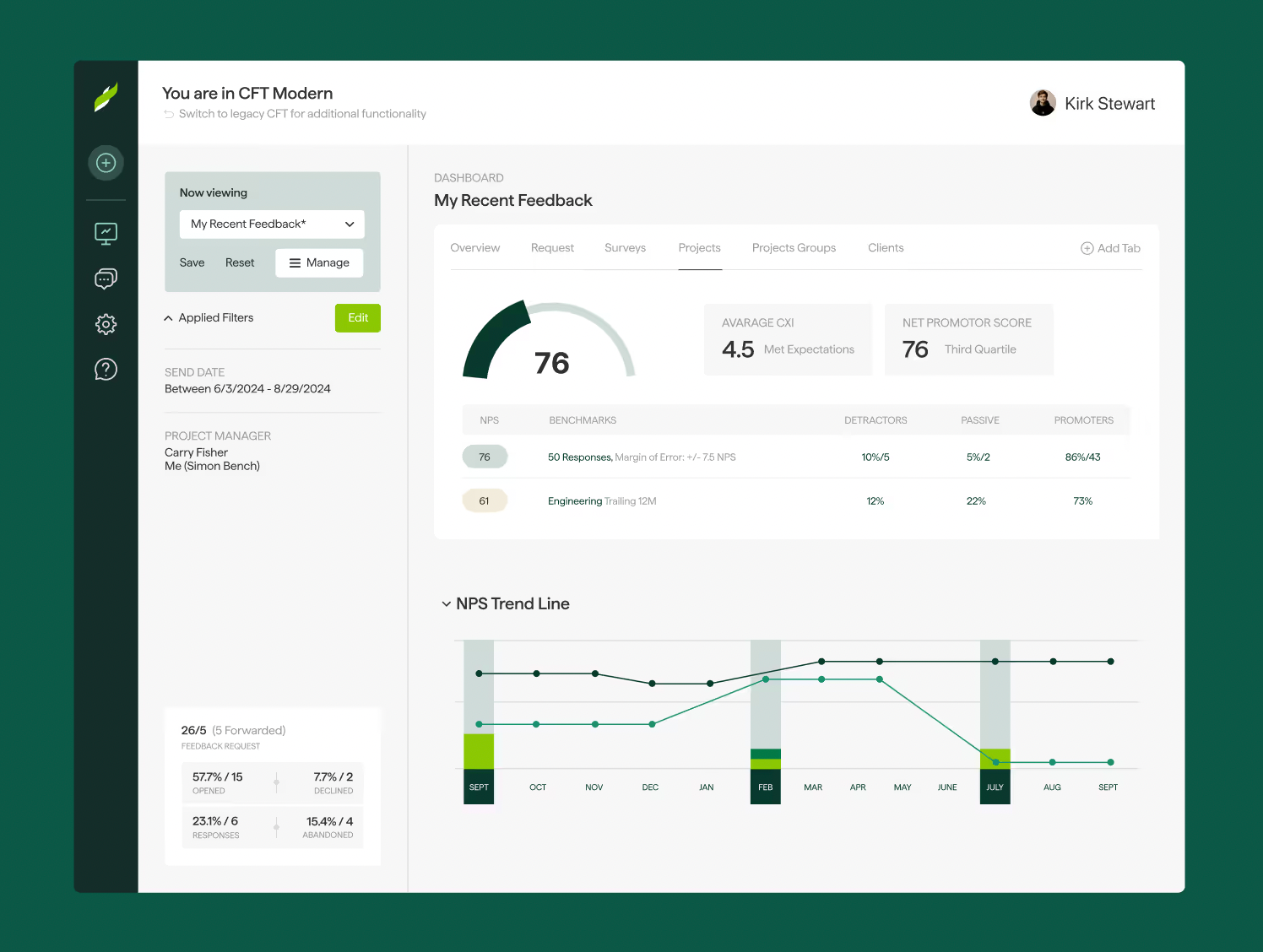
Once the software is live, you want it to reflect your project workflows. Evaluate how easily you can customize surveys, automate feedback requests, and tailor dashboards for different stakeholders.
To be more specific, ask vendors questions like:
- Can you automatically trigger surveys after key events such as design reviews or project closeout?
- Can non-technical users adjust workflows, questions, and dashboards?
- How easily can you refine the setup after launch without vendor support?
A flexible configuration process means you can make ongoing refinements after your initial launch without needing technical support for every change.
📌Also read: How Often Should an AEC Firm Send Client Surveys?
Pricing and Value for Money
Understanding cost is essential, but so is understanding value. Here’s how to think about pricing while keeping ROI front of mind.
Cost considerations
Pricing for the best feedback software for AEC can vary widely. Some tools charge per user or per project, while others include full feature sets in tiered plans. When evaluating cost, make sure you understand what’s included at each pricing level, especially support, integrations, and analytics.
Assess whether vendor fees scale logically with usage and whether the platform includes hidden costs like API access or additional administrative tools.
Long‑term ROI
The right feedback system contributes to business outcomes, not just internal reporting. Firms that link feedback to project improvements see higher client satisfaction, better customer retention, and more high-quality referrals.
For example, industry research shows that 83% of AEC employees believe customer feedback is essential for service improvement. Moreover, 65% of firms see project outcomes improve with dedicated customer experience initiatives.
These outcomes translate into real value when clients are more likely to return, refer others, and engage in larger-scale work.
📌Interesting read: Best Architecture Client Feedback Tools to Use in 2026
Comparing Popular AEC Feedback Software
One of the biggest decisions is knowing how tools stack up in real use. Below is an AEC feedback tools comparison table that highlights the strengths and weaknesses of the five popular options.
Now that we have a fair understanding of the best feedback software for AEC needs, let’s take an in-depth look at them.
1. ClearlyRated
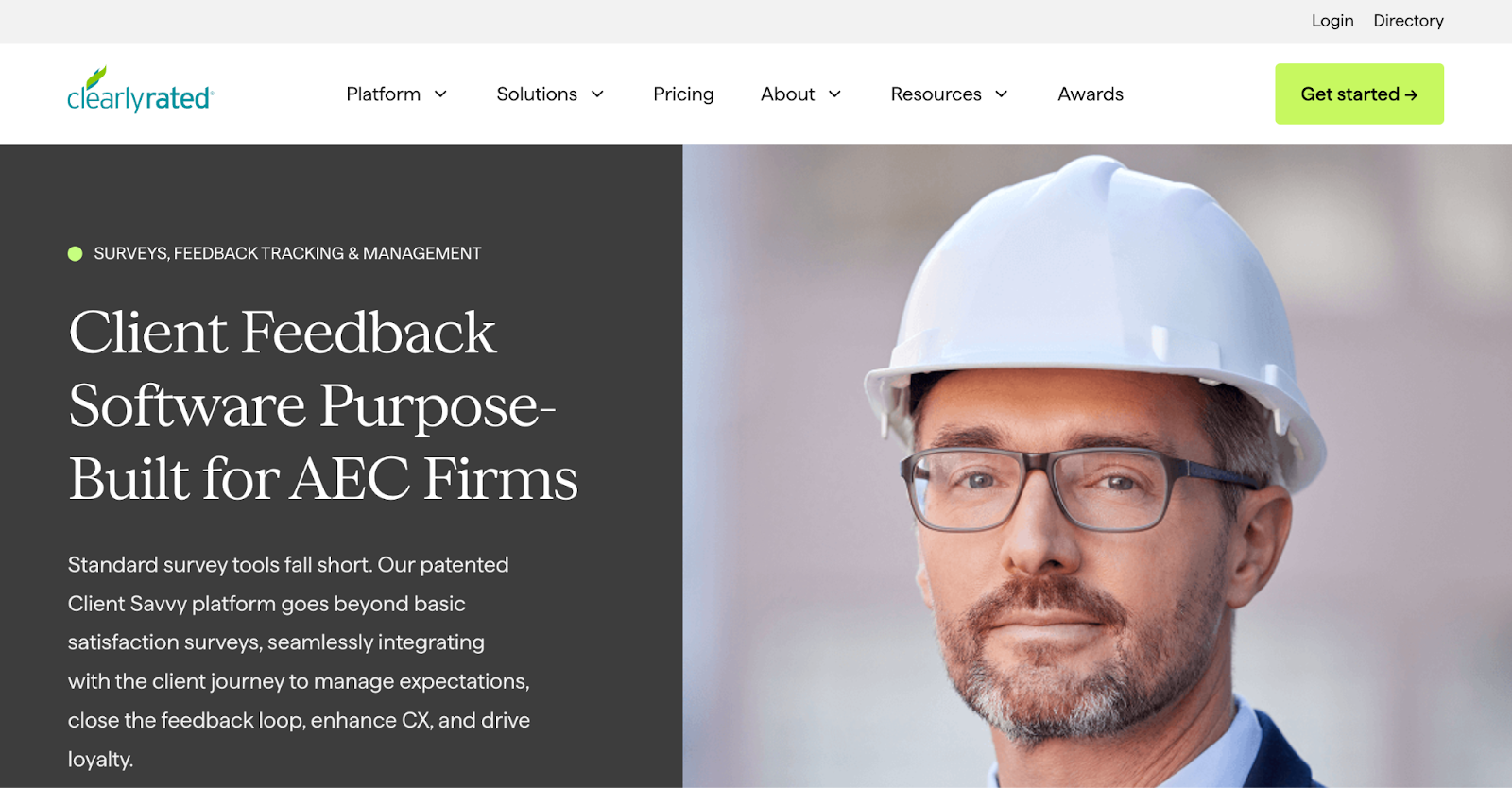
Many architecture firms rely on instinct to judge client satisfaction. This approach often hides frustration and limits growth opportunities. ClearlyRated replaces assumptions with data by embedding structured feedback into AEC workflows.
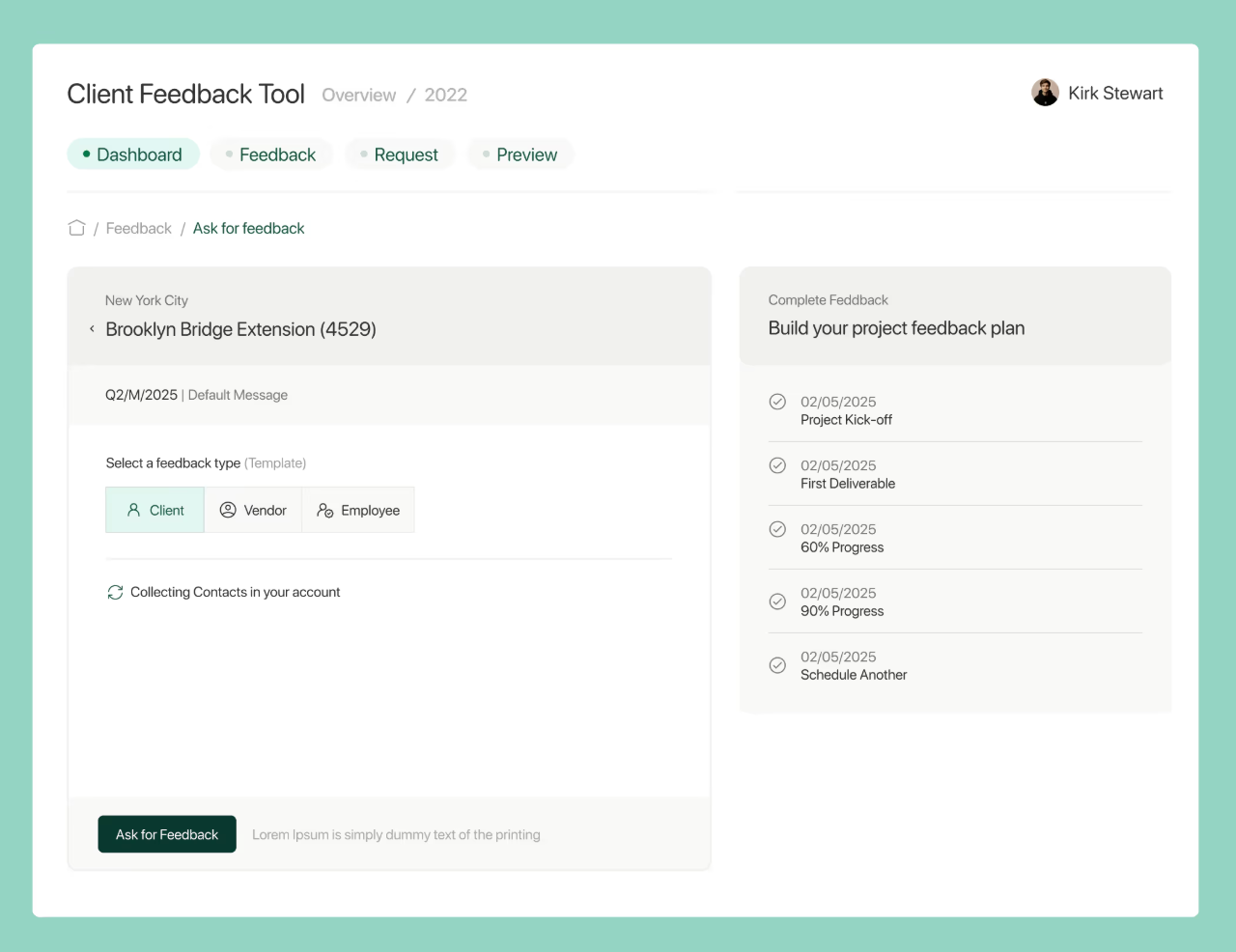
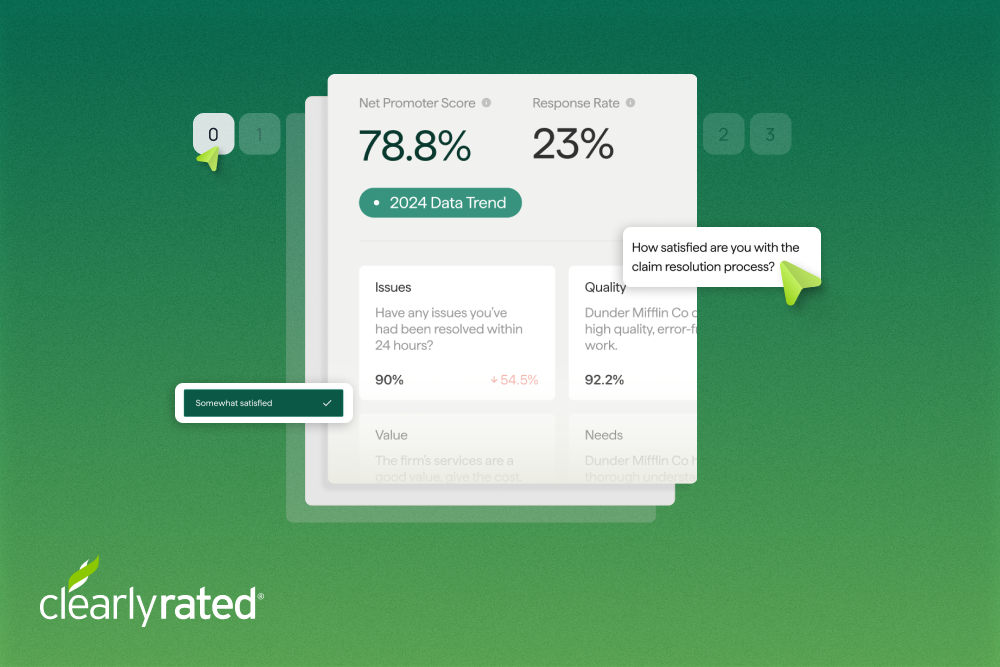
Our Client Savvy platform integrates listening into every project phase and turns everyday interactions into measurable experience insights that support better decisions. The platform includes industry-specific NPS surveys built on more than 20 years of architecture and engineering data.
ClearlyRated goes beyond traditional survey tools. Its question models come from testing across thousands of firms over two decades. These surveys power Voice of Customer (VoC) programs that encourage honest and detailed client input.
The patented Client Experience Indicator (CXI®) scale captures up to 380% more hidden pain points than NPS alone. Teams can track shifts in expectations at each milestone and respond before dissatisfaction escalates. Firms that use ongoing feedback report an average 17-point increase in Net Promoter Score (NPS), which confirms that structured listening strengthens relationships and drives repeat work.
Most firms only discover client frustration after a project ends. ClearlyRated solves this problem through continuous monitoring and real-time alerts that surface risk early. The platform evaluates sentiment across multiple feedback points and classifies clients as thriving, stable, or at risk.

Project leaders can act immediately with AI-generated response guidance that supports professional and empathetic communication. In fact, our 2025 Benchmarks, Insights, and Trends: Client Experience in the AEC Industry report suggests that firms recover 83% of at-risk client relationships.
When firms show clients they value feedback, clients become advocates. ClearlyRated analytics helps teams identify promoters and turn feedback into testimonials, referrals, and case studies.
Firms that use the system report an average of $1.8 million in new business generated through referral programs triggered by feedback insights. This approach turns satisfied clients into trusted advocates and strengthens credibility during competitive bids.
2. Qualtrics XM
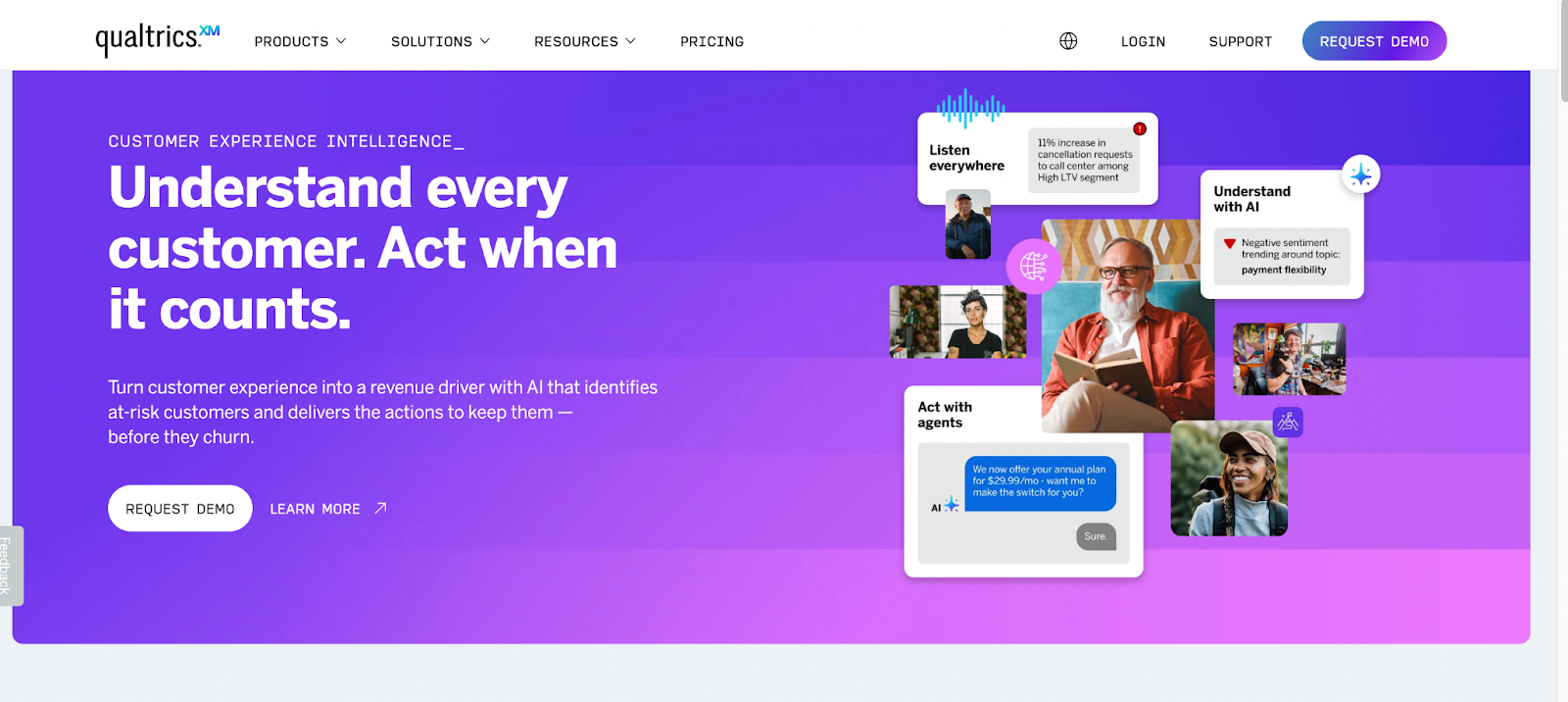
Qualtrics XM for Customer Experience enables AEC firms to manage client relationships with precision across pursuits, project delivery, and post-project evaluation. The platform unifies feedback from surveys, emails, calls, digital interactions, and reviews into a single system of record.
AI-powered text and sentiment analytics surface early warning signals such as declining trust, communication breakdowns, or scope-related friction. Automated dashboards, role-based alerts, and closed-loop workflows help project teams act quickly, improving client satisfaction, reducing risk, and strengthening long-term account growth.
3. Medallia Experience Cloud
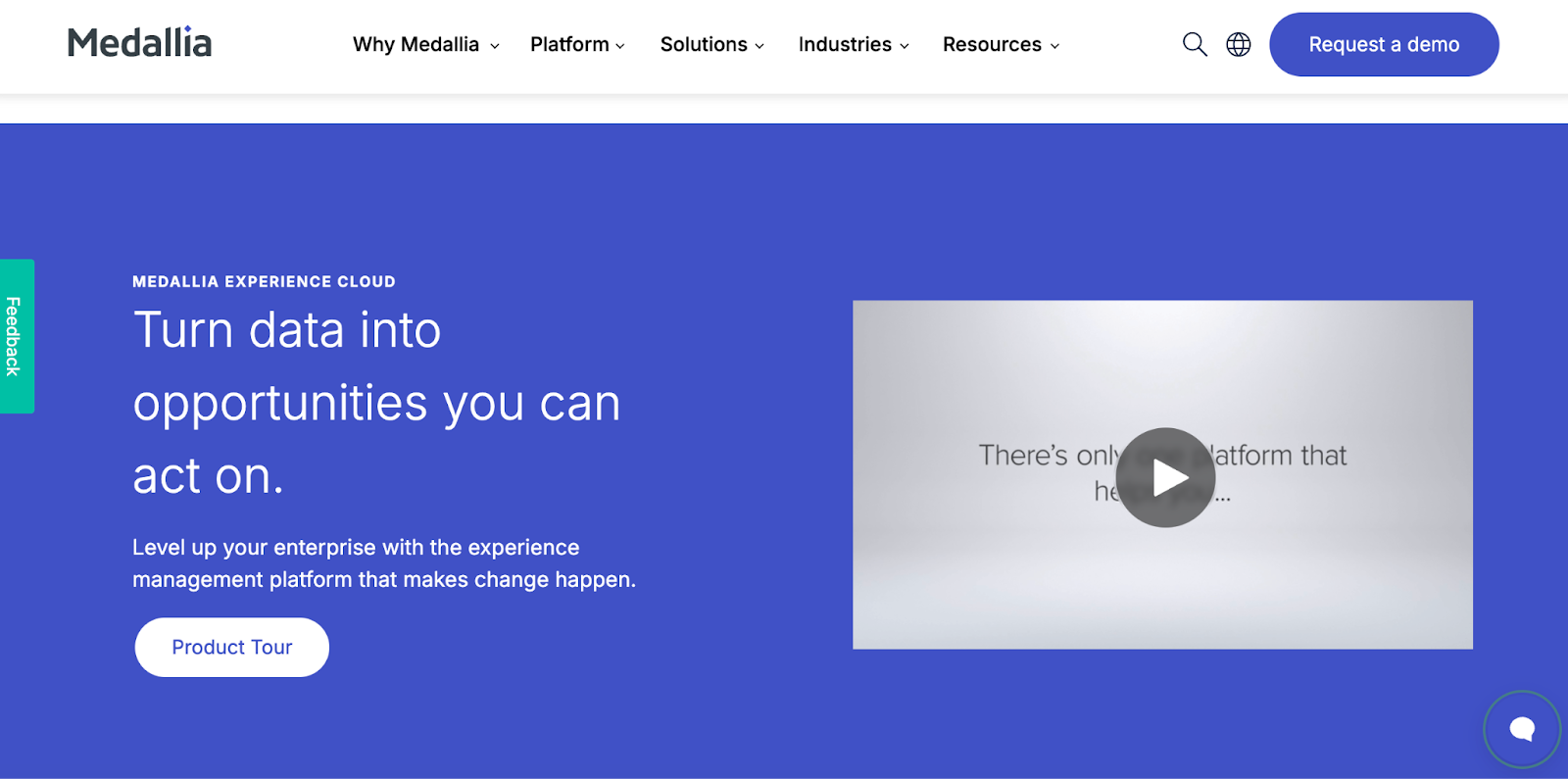
Medallia Experience Cloud gives AEC firms a full-featured platform to capture, analyze, and act on client and employee feedback across projects. It’s Total Experience (TX) Profiles consolidate every interaction, from email, phone, chat, site visits, and social, into a 360° client timeline. AI-driven theme detection and root cause analysis identify trends and pinpoint issues impacting satisfaction, revenue, or project outcomes.
Additionally, real-time alerts, role-based dashboards, and automated closed-loop workflows enable teams to respond quickly. Integrations with Salesforce, Adobe, and ServiceNow embed insights into existing workflows, while self-service survey and program controls scale across offices and projects.
4. Delighted
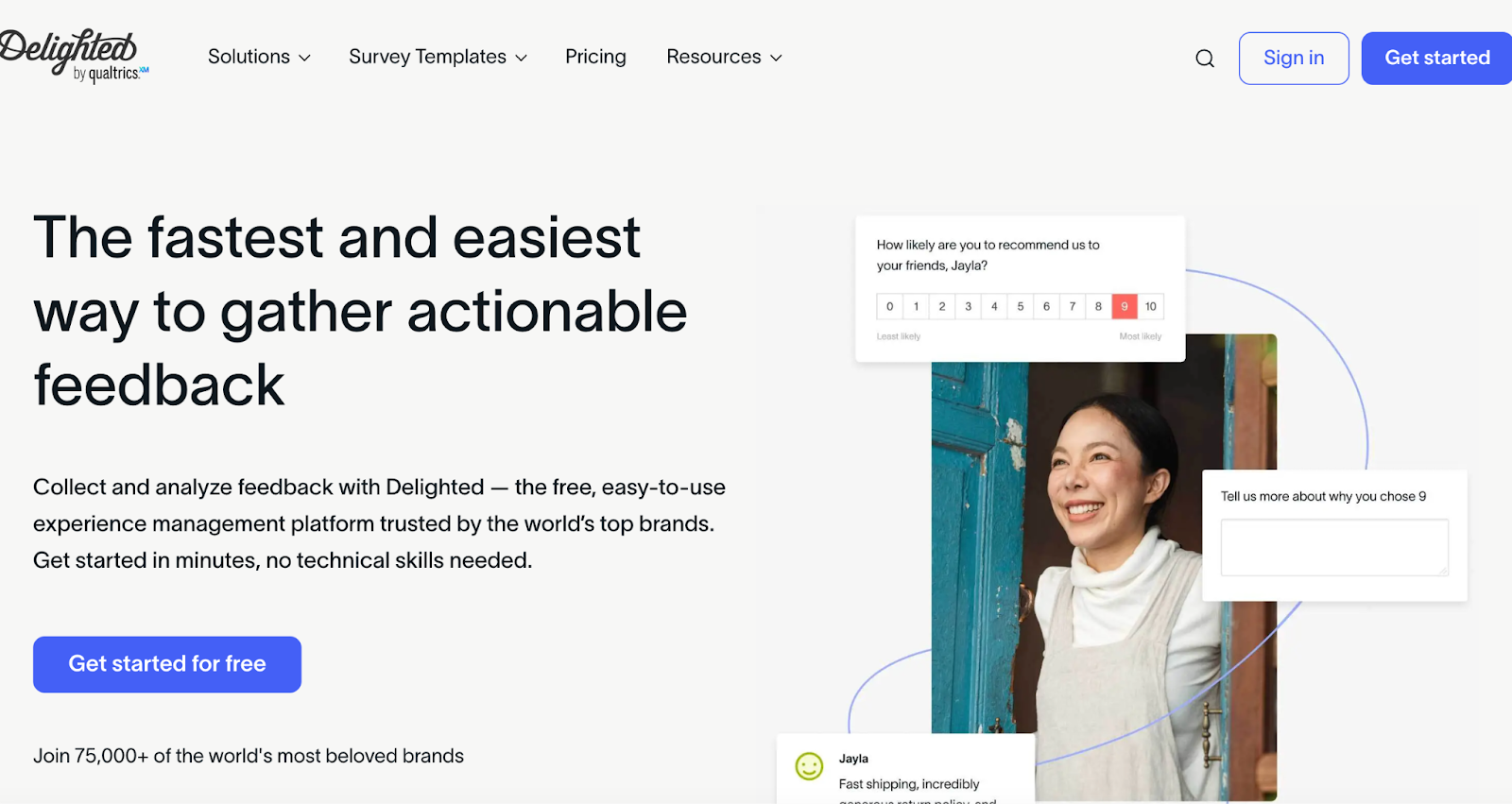
Delighted is a lightweight NPS and feedback platform that helps AEC firms measure client and employee sentiment at key project milestones. Teams can deploy NPS, CSAT, CES, and five-star surveys in over 30 languages via email, SMS, web embeds, or shareable links, which makes it ideal for global clients and distributed project teams.
Open-ended follow-up questions capture detailed feedback on communication, schedule, and quality. With native integrations to CRM and project systems, Delighted makes it easy to track relationship health, identify at-risk accounts, and act quickly on client feedback.
5. AskNicely
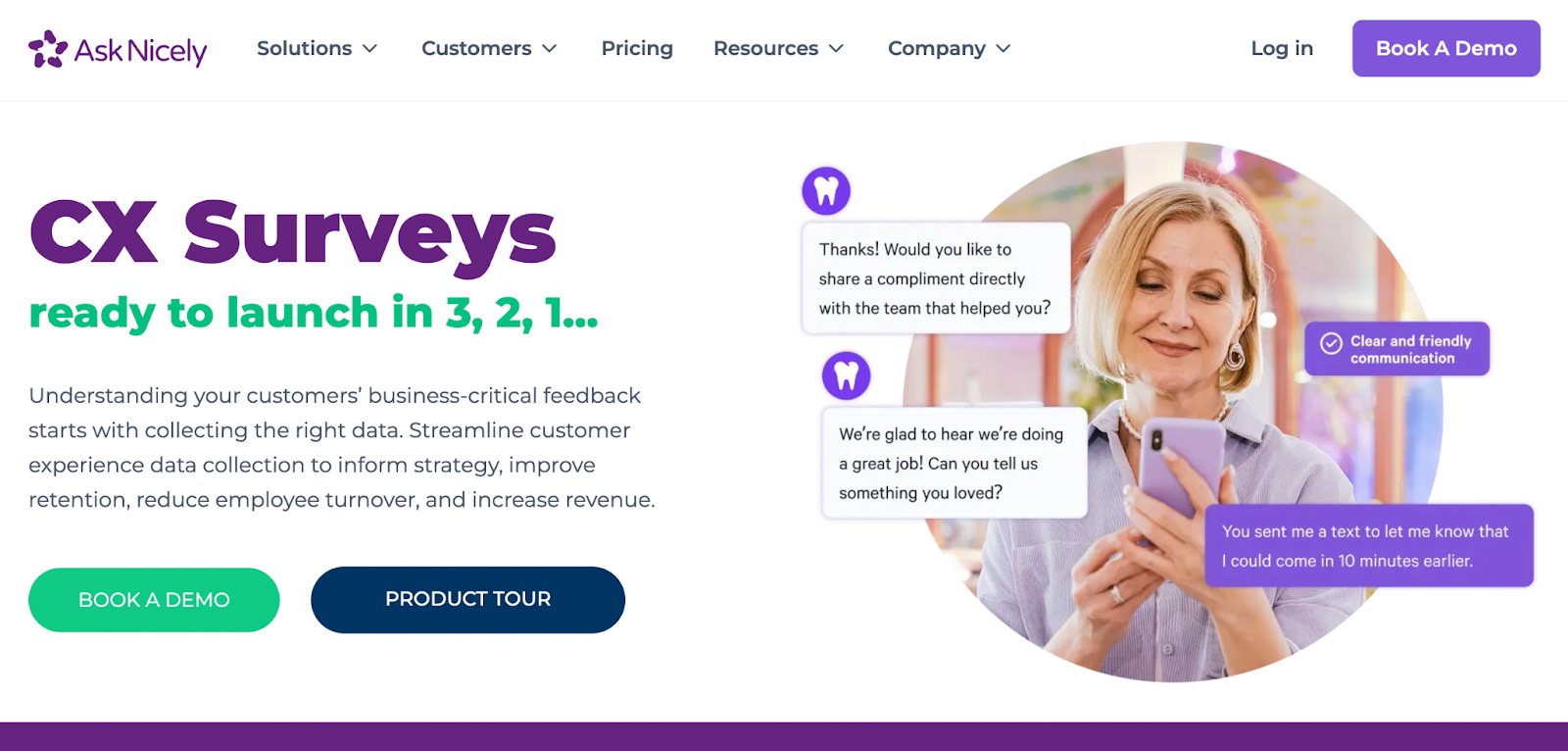
AskNicely is a customer experience survey platform designed to help AEC firms capture timely, actionable client feedback across projects and locations. Teams can deploy NPS, CSAT, and five-star surveys via email, SMS, or embedded links, triggered automatically through CRM integrations at key project milestones.
Its real-time dashboards make feedback accessible to executives, project managers, and frontline staff, enabling fast response and trend tracking. Conversational, branded surveys with logic and branching improve response quality, while centralized feedback management supports consistent client experiences across offices and regions.
Best Practices for Teams When Choosing Software
Evaluating tools is one thing. Success comes when you bring the right people and processes along.
Here are some of the best practices you need to follow when choosing the best AEC project feedback solutions:
- Run pilots and trials: Before committing broadly, run pilot programs with key stakeholders. This gives you real data on how teams and clients interact with the platform and reveals hidden usability challenges or gaps in features.
- Involve stakeholders early: Include project managers, designers, field teams, and clients in your evaluation. Their feedback reveals barriers and opportunities you might miss if only a few people review demos.
- Build feedback loops into the evaluation: Ironically, the best way to evaluate feedback software is to use feedback from your users about the tools themselves. Treat evaluation as an experiment. This often includes revising questions, listening to users, and refining criteria based on real input rather than assumptions.
How to Turn This Checklist Into Better Clients and Better Projects
Great AEC firms do more than deliver projects. They build trust through consistent communication and intentional listening. The right feedback software helps teams act faster, reduce rework, and create client experiences that lead to repeat business.
When you use this software evaluation checklist in AEC industry decisions, you tap into real outcomes. So, use it to choose tools that fit your workflows, support adoption, surface insights early, and measure what drives long-term relationships. Prioritize ease of use, strong onboarding, reliable support, and metrics that connect feedback to retention and growth.
Here’s how to put the checklist into action:
- Score at least three feedback tools using this checklist
- Involve project teams and leadership in hands-on trials
- Collect real user feedback on setup, usability, and insights
- Compare results based on impact, not feature count
- Select the platform that best supports your client experience goals
Our Client Savvy platform embeds structured listening with industry-specific surveys, helping AEC teams identify risks early and strengthen client relationships throughout the project lifecycle. Get started with us today and improve your client experience.

FAQs

%20(1).png)
.webp)
.png)